
Mastering the Art of Carpet Installation

Installing carpet can transform a space, adding warmth and style. Whether you're tackling a small bedroom or a vast living area, mastering the art of seamless carpet installation is essential for achieving a professional look. This guide will walk you through the process step by step, ensuring you feel confident about your project.
Seamless Carpet Installation: Getting Started
Before diving into the installation process, it's important to prepare. Ensure you have all the necessary tools and materials. Here's a quick checklist:
Carpet: Select a quality carpet that fits your style and budget.
Tools: You'll need a tape measure, utility knife, carpet stretcher, knee kicker, and adhesive if you're using carpet tiles.
Underlay: A good underlay can make a significant difference in comfort and durability.
Safety Gear: Don't forget to wear protective gloves and glasses!
When selecting your carpet, consider factors like fiber type, pile height, and color. Different types of carpet have unique maintenance needs. For example, nylon carpets are durable and a good choice for high-traffic areas.

Preparing the Room
Preparation is the foundation of a successful carpet installation. Start by clearing the room of furniture and any obstacles. This will give you a clean workspace and make the installation process smoother.
Next, inspect the floor for any imperfections. It's essential that the surface is level and clean. Patch any cracks or holes in the subfloor. If you’re installing on concrete, consider using a moisture barrier.
Once the floor is prepped, it's time to lay down the underlay. Cut it to size, leaving a slight gap along the edges for expansion. This underlay not only provides cushioning but also helps to reduce noise.
How Much Does It Cost to Install Carpet Per Step?
Calculating the cost of carpet installation can be complex due to various factors involved. Here's a breakdown of typical costs associated with each step:
Carpet Material: Prices can range from $2 to $12 per square foot, depending on the quality and style.
Underlay: Generally, underlay costs range from $0.50 to $1.50 per square foot.
Installation: Hiring professionals might cost between $1 and $4 per square foot, while DIY installation can save you this expense.
Additional Materials: Don't forget to account for adhesives, tools, and any repair materials, which might add another $1 to $3 per square foot.
Suppose you’re installing 500 square feet. A professional might charge you anywhere from $1,000 to $2,500 depending on carpet quality, underlay, and complexity of the job. If you plan to **carpet install** yourself, you still need to factor in tool rentals or purchases.

Laying the Carpet
Now comes the exciting part: laying down the carpet! You'll want to work in small sections to maintain control. Start by rolling out the carpet in one corner of the room. It’s important to cut the carpet slightly larger than the measured area, as you will trim the edges later.
Use the knee kicker to stretch the carpet during installation. This will help eliminate wrinkles and ensure the carpet lies flat against the floor. As you work, ensure the seams are tight and aligned. If you're working with multiple pieces, overlap them by a few inches before trimming to create a seamless transition.
For areas requiring additional adhesive, apply it carefully to avoid excess. Once the carpet is laid, use a carpet roller to firmly bond the carpet to the underlay beneath.
Finishing Touches
After your carpet is in place, it’s time for those final touches. Trim any excess carpet along the edges with a utility knife, taking care to leave about half an inch for tucking under the baseboards.
Install carpet transitions if necessary; this is especially important when transitioning between different flooring types. If you have any doors, ensure the carpet remains clear of pathways to prevent tripping hazards.
To keep your new carpet looking fresh, clean it regularly. Vacuum weekly and consider deep cleaning at least once a year, depending on foot traffic.
Maintenance Tips for Longevity
Maintaining your newly installed carpet is crucial for its longevity. Here are some easy tips:
Regular Vacuuming: This removes dirt and prevents debris from settling into the fibers.
Spot Cleaning: Address spills immediately with a clean cloth. Use a mild detergent and avoid harsh chemicals that could damage the carpet.
Use Rugs in High-Traffic Areas: Place rugs or mats in areas where you anticipate heavy foot traffic to minimize wear and tear.
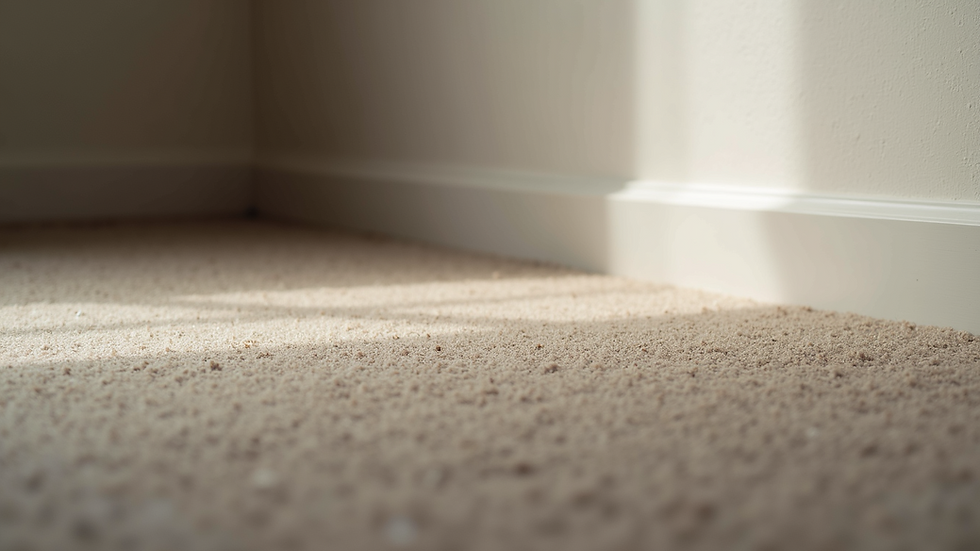
Additionally, avoid direct sunlight on your carpet, as UV rays can fade colors and damage fibers over time.
Final Thoughts on Carpet Installation
Mastering seamless carpet installation is a rewarding experience that can enhance your home's aesthetic. With the right planning and execution, you'll enjoy a professional-looking finish that lasts for years. Remember, preparation is just as important as the installation itself.
By following these guidelines, you're sure to create a beautiful and inviting space, transforming not just the room, but enhancing your overall living experience. Happy carpeting!


Comments